
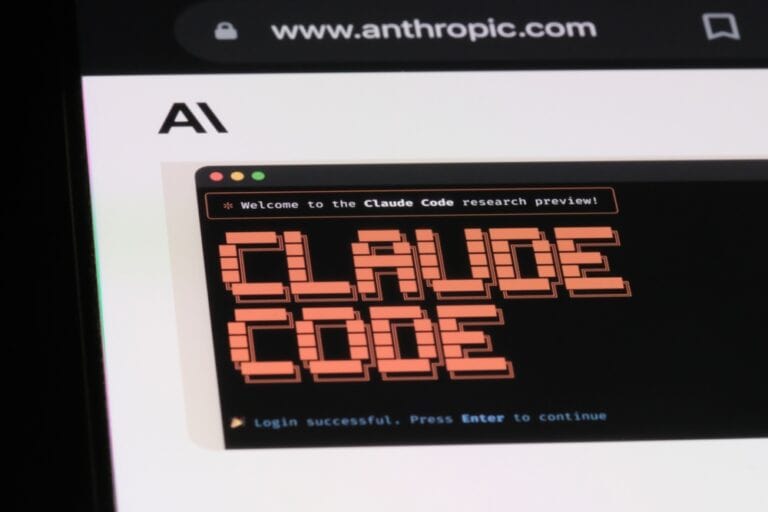
Anthropic has added a new feature to Claude Code called Channels, allowing developers to connect their AI coding tool directly to Telegram and Discord. The update gives Claude Code the same approach that made OpenClaw popular, but with the security and ease of use of a commercial product.
Previously, Claude Code was limited to the desktop, terminal, or the Claude app. Sending messages to your AI agent and receiving a response as soon as a task is complete—exactly what made OpenClaw a hit—wasn’t yet available. That’s changing now. Developers can send Claude Code a message while on the go and receive a notification as soon as a bug is fixed or a build is ready.
OpenClaw was launched in November 2025 by Austrian developer Peter Steinberger. The project quickly attracted a large audience because it offers a kind of AI assistant via iMessage, Slack, Telegram, WhatsApp, and Discord. Using OpenClaw comes with many risks, but projects aimed at making the tool safer, such as NanoClaw, soon emerged.
MCP as a foundation
Claude Code Channels is built on MCP (Model Context Protocol), which has since been released by Anthropic as an open standard and AI communication medium between tools, models, and data. In December 2025, Anthropic donated MCP to the Agentic AI Foundation under the Linux Foundation. In the Channels architecture, an MCP server acts as a two-way bridge: incoming messages are injected directly into the active Claude Code session, after which Claude executes code and responds via the external platform.
Claude Code was introduced early last year as a command-line tool and has since evolved into a full-fledged agentic platform. The Channels feature requires version 2.1.80 or higher and the Bun JavaScript runtime.
Integration
For Telegram, create a bot via BotFather and install the plugin with /plugin install telegram@claude-plugins-official. Discord works similarly via the Discord Developer Portal. The plugins are hosted in official Anthropic repositories on GitHub, allowing the community to build its own connectors for platforms like Slack or WhatsApp.
Since Claude Code is already one of the most popular coding tools, adoption will only continue to grow. At the same time, there are now enough variants of OpenClaw that its installed base is already fragmented. The next step would be an accessible AI coding tool that can truly live up to its claim of being “enterprise-ready.”
Read also: OpenClaw bypasses security layers and reveals new attack vectors