
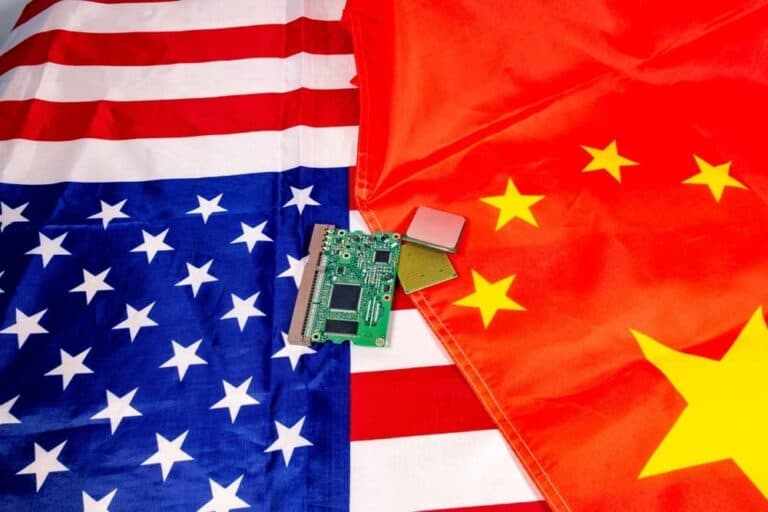
The United States has granted Samsung and SK Hynix permission to continue shipping chip manufacturing equipment to their factories in China in 2026. This gives the two South Korean chipmakers temporary breathing space in an increasingly complex geopolitical playing field, where export restrictions and technological rivalry set the tone.
According to SiliconANGLE, the approval comes in the form of an annual license. This is a clear break with the previous policy, which granted certain large chip companies long-term exemptions. Washington decided this year to reverse those exemptions and is now opting for a tighter control system in which export licenses must be periodically reissued.
Samsung, SK Hynix, and TSMC have so far benefited from a special status that allowed them to bring US chip manufacturing tools to their Chinese facilities without having to obtain separate permission each time. That status expires at the end of this year. From that point on, every shipment will be subject to explicit approval by the US government. The new annual licensing model is part of that revision.
China is an important production location
For Samsung and SK Hynix, China is a crucial production location, especially for older generations of memory chips. It is precisely this segment that has recently become attractive again due to strong demand from AI data centers and a more limited supply on the global market. The halt in equipment deliveries could therefore have a direct impact on their production capacity and competitive position.
The tightened export rules are part of a broader policy shift in Washington. The US government wants to prevent China from gaining access to advanced technology that is both economically and strategically important. In doing so, it is taking a critical look at recent decisions that are considered too lenient.
The companies involved are keeping a low profile. Samsung and SK Hynix declined to comment on the licenses, while US authorities were unavailable after office hours. This underscores how sensitive the issue is. For the time being, South Korean chipmakers can continue to supply their Chinese factories, but uncertainty remains. Each year, it will become clear whether Washington will keep the door open or close it further.