
The rise of generative AI is often seen as an existential threat to the SaaS model. Interfaces would disappear, software would fade away, and existing players would become irrelevant. However, new figures from Databricks paint a different picture. Rather than undermining SaaS, AI appears to be increasing its use.
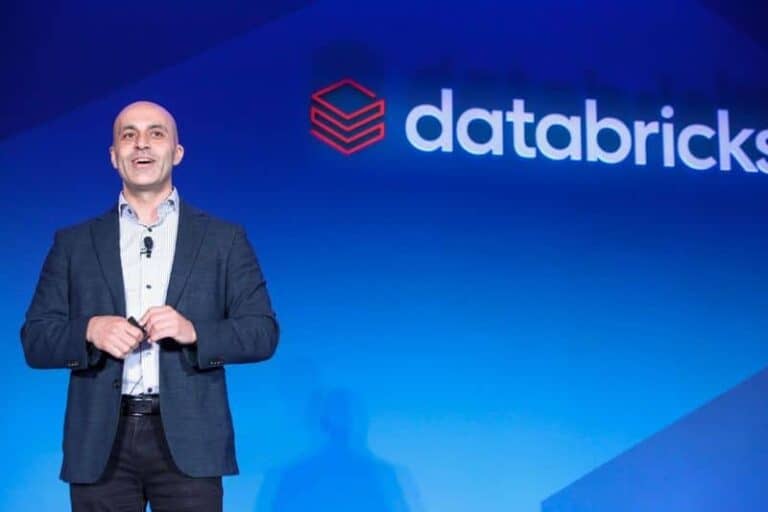
This week, Databricks reported a revenue run rate of $5.4 billion, a 65 percent year-on-year increase. More than a quarter of that now comes from AI-related products. For the company, this is an important signal in a debate that, according to CEO Ali Ghodsi (photo), is too often dominated by doom and gloom. While some predict that AI will make SaaS redundant, he reports, in conversation with TechCrunch, that AI is leading to more intensive use of existing platforms.
According to Ghodsi, organizations do not replace their core systems just like that. What is changing is the way people work with software. The classic SaaS interface with menus, dashboards, and fixed workflows is gradually giving way to interaction via natural language. The underlying systems remain in place but are fading into the background.
Databricks is responding to this with AI interfaces that run on top of the existing data infrastructure. Users can ask questions about data without knowledge of query languages. Tasks that previously required specialist reports or custom code are now accessible to a much larger group. According to the company, this leads directly to greater use of the SaaS infrastructure.
The biggest shift is not in the data, but in the skills needed to operate software. For years, SaaS providers built their position by training professionals in specific interfaces. That accumulated expertise served as protection. Once language becomes the interface, that barrier disappears and switching becomes easier.
Autonomously operating agents
This offers opportunities for SaaS companies that are quick to embrace AI, but also for new players who design their platforms around AI agents from the outset. Databricks is trying to combine both approaches. In addition to the traditional data warehouse, the company is developing databases tailored to autonomously operating agents. According to Databricks, these products are seeing faster commercial adoption than previous platforms at the same stage.
This strategy is supported by a strong financial position. Databricks recently completed a $5 billion financing round at a $134 billion valuation and secured a $2 billion credit facility. An IPO is not planned for the time being. In an uncertain market, the company is opting for financial strength and a long-term focus.
The core message is clear. AI does not mean the end of SaaS, but it does mean the end of SaaS in its current form. Software and data will continue to exist, but the interface will shift from screens to language and agents. Companies that make this transition can benefit from AI instead of being overtaken by it.