
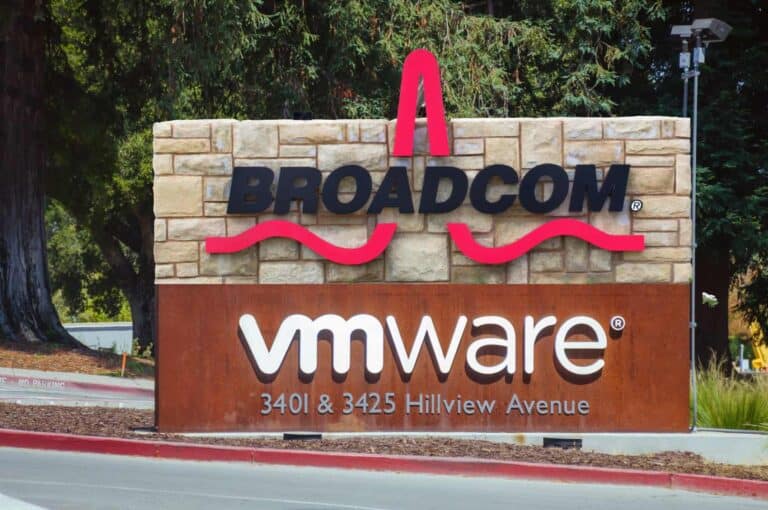
Two years after the acquisition by Broadcom, 86 percent of VMware customers are actively working to reduce their dependence on the platform. This is according to research by CloudBolt, which shows that price pressure and strategic uncertainty are the main drivers.
The research was conducted earlier this year among more than 300 IT decision-makers at large North American organizations. The results, reported by Ars Technica, show that the acquisition’s impact continues to affect daily IT decisions.
A majority of respondents experience the changes as disruptive, mainly due to higher costs and uncertainty about VMware’s long-term plans. The switch to subscription licenses and changes in the partner and support model are also contributing to the unrest.
Although extreme price increases are less common than initially feared, many organizations are reporting structural cost increases. At the same time, there is a widespread expectation that VMware will become even more expensive, which undermines confidence in long-term stability.
Phased transition to alternatives
This uncertainty is leading to concrete action. Most organizations are phasing out parts of their VMware environments. This is usually done in phases, with critical workloads remaining in place for the time being. Public cloud platforms and virtualization solutions within the Microsoft ecosystem are most often considered as alternatives.
The strategy is primarily pragmatic. By reducing their dependence, organizations are trying to improve their negotiating position without increasing migration risks. It is increasingly accepted that VMware remains the most logical choice for specific applications for the time being.
Smaller and medium-sized organizations in particular are feeling the pressure. Higher costs, mandatory bundles, and less flexibility make VMware more difficult to defend to management. At the same time, switching is not a simple solution, as managing multiple platforms and a lack of specialist knowledge increase operational complexity.
According to CloudBolt, this development is in line with Broadcom’s broader strategy. The emphasis seems to be on maximizing revenue from customers who stay, rather than retaining the entire customer base. For VMware users, this means that the current situation is structural. The mass exodus did not materialize, but the move toward less dependence is clearly continuing.