
Meta plans to take drastic action in its Reality Labs division. According to insiders, the technology company wants to lay off about 10 percent of the employees in this branch. The move is part of a reorientation in which investments in AI are given priority over the development of the metaverse.
The plans were reported on by The New York Times. Reality Labs has an estimated 15,000 employees and focuses on virtual reality, augmented reality, and related hardware and software. The announced layoffs could be announced as early as this week and will mainly affect teams working on VR headsets and social platforms in virtual reality. Although this represents a limited portion of Meta’s total workforce of approximately 78,000 people, the impact is relatively severe within the metaverse activities.
The restructuring follows internal pressure to reduce spending by 2026. At the same time, Meta is investing more in artificial intelligence to remain competitive with companies such as OpenAI and Google. CEO Mark Zuckerberg has recently allocated additional resources to experimental AI projects, including an internal lab focused on developing highly advanced AI systems. The construction of large-scale data centers will also consume tens of billions of dollars in the coming years.
No mass market for VR headsets yet
Reality Labs has been a topic of discussion within Meta for some time. Since the acquisition of Oculus in 2014, the division has been at the heart of Zuckerberg’s vision of the metaverse, a virtual successor to the current internet. In 2021, the company underscored that ambition with a name change from Facebook to Meta. However, the commercial breakthrough has not materialized. Despite enormous investments, VR headsets have not found a mass market, and returns are lagging behind investors’ expectations.
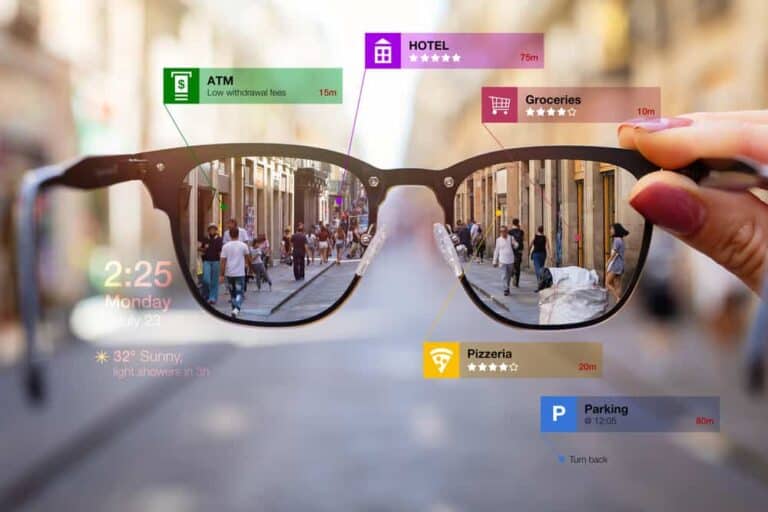
Not all parts of Reality Labs appear to be equally affected. The teams working on augmented reality and wearable technology are expected to remain largely unaffected. Among other things, this group develops smart glasses and wristbands that allow users to communicate with digital interfaces through voice and gestures. The smart glasses that Meta launched in collaboration with Ray-Ban have proven particularly successful and have now sold millions of units. This success explains why Meta wants to shift extra budget to this area.