
Intel is considering making its 18A chip manufacturing technology available to external customers after all. This was revealed in comments made by Chief Financial Officer David Zinsner during a technology conference in San Francisco.
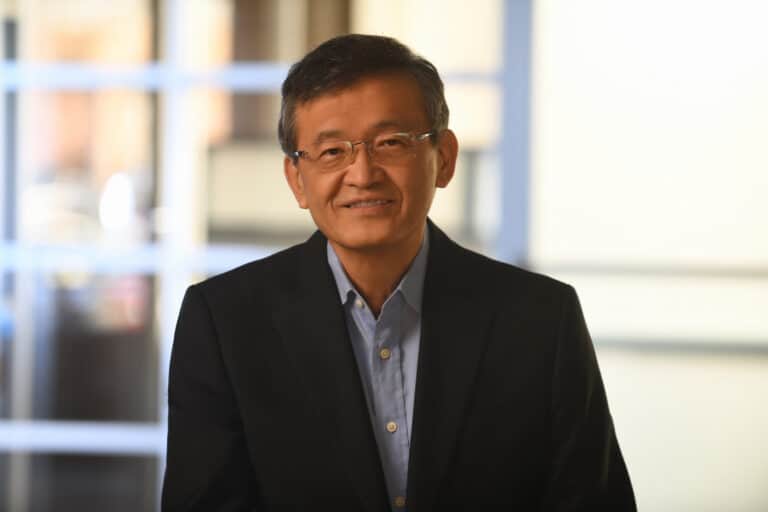
According to Reuters, the possible change of course suggests that CEO Lip-Bu Tan (photo) is rethinking his previous strategy, which had 18A primarily intended for internal use.
When Tan presented his plans for Intel last year, he indicated that the 18A process would likely be profitable only if used exclusively for Intel’s own chips. In doing so, he distanced himself from the vision of former CEO Pat Gelsinger, who had strongly committed to the process as an important pillar of Intel’s foundry strategy. Tan now seems more open to a broader use of the technology.
According to Zinsner, Intel’s progress with 18A has contributed to this reconsideration. Initially, the company’s emphasis was on the future 14A node as the most important technology for external customers. However, he believes that the improvements made to 18A make it plausible that this production node could also be attractive to other chip designers.
Production quality remains a focus for 18A
The production process still faces challenges. Currently, only a small portion of the chips produced meet the quality requirements to actually be delivered to customers. However, Intel emphasizes that the so-called yield, the number of usable chips per wafer, is increasing every month. At the same time, low yields remain a familiar problem in the semiconductor industry because they can put pressure on profit margins.
Since Tan took over the helm at Intel earlier this year, he has implemented several radical changes. Part of the reorganization was a significant reduction in personnel of approximately 20 percent. These measures are intended to better position the company in a market in which artificial intelligence is playing an increasingly important role.
At the same time, Intel is sticking to its ambition to become a major contract chip manufacturer. The company wants to continue to use its factories for both its own products and for customers in the industry. The development of the next-generation production technology, 14A, also plays an important role in this. Tan has already indicated that he wants to actively attract new customers for this future node.