
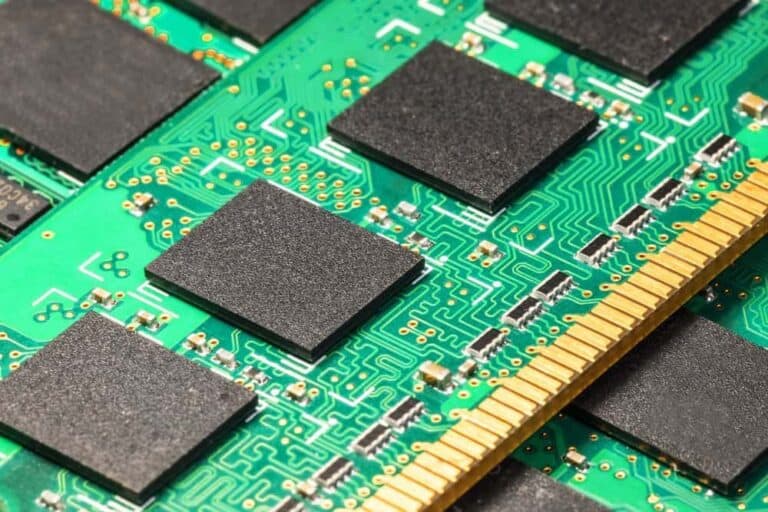
The memory chip shortage is not expected to ease anytime soon. South Korean manufacturer SK Hynix expects demand from AI infrastructure to outpace production capacity through the end of this decade. This is likely to raise costs for PC and smartphone manufacturers.
According to The Register, SK Hynix made this prediction during a conference call to discuss its quarterly results. The company says the growing use of AI will sustain demand for advanced memory technologies well beyond the current investment cycle.
Companies are increasingly using AI in software development, customer service, and other business operations. In addition, governments are investing heavily in their own AI infrastructure. SK Hynix also expects additional demand from the autonomous vehicle and robotics sectors.
Production can’t keep up
Although memory manufacturers are expanding their production facilities, adding capacity takes years. Production processes are also becoming increasingly complex, making it difficult to respond quickly to demand changes.
SK Hynix therefore expects supply constraints to persist at least through 2030. The company has already signed long-term agreements with 14 major customers. These customers will account for more than half of the expected production in 2027 and 2028. These agreements provide greater revenue predictability but reduce the amount of memory available to other buyers.
Strong financial results
The shortage has contributed to exceptionally strong financial results. SK Hynix reported quarterly revenue of 104.6 trillion won ($78.1 billion), up 328 percent from the previous year. Operating profit totaled 87.68 trillion won ($62.8 billion), a 486 percent increase from last year.
SK Hynix plans to focus on products for the rapidly growing AI market. Among other things, the company plans to ramp up HBM4 production, which it expects to surpass HBM3E in both shipments and revenue in the fourth quarter.
The company is also accelerating the rollout of its sixth-generation 10-nm-class manufacturing process and expanding sales of DDR5 and LPDDR5 SOCAMM memory for AI servers. In storage, the company is developing NAND technologies designed to improve AI processing performance and efficiency.
The company’s forecast suggests that spending on AI infrastructure could continue to reshape the memory industry for years to come. However, for conventional hardware manufacturers, the consequences may include persistent component shortages and ongoing price pressure.