
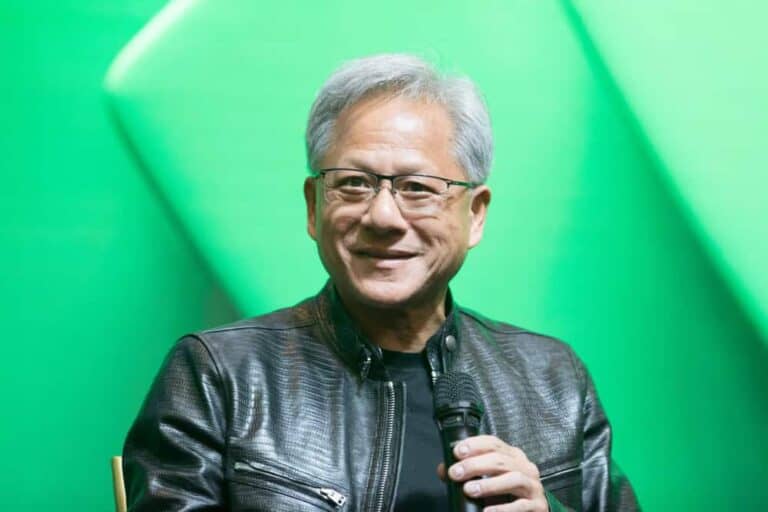
Nvidia and CEO Jensen Huang (photo) have been sued by Nvidia shareholders over Huang’s alleged relationship with a Chinese intelligence agent. Techzine previously reported on this. In the complaint, the shareholders allege that Nvidia failed to share information about security risks with them.
According toThe Guardian, the complaint was filed in a federal court in California. Nvidia and Huang are accused of misleading investors by failing to disclose that CEO Jensen Huang may have had a relationship with Alice Huang. She previously worked as an executive at Singapore-based Megaspeed, a major Nvidia customer. The lawsuit was filed five minutes after the U.S. stock market closed.
The New York Times reported last month that U.S. authorities consider Alice Huang to be a Chinese intelligence agent. According to the plaintiffs, Nvidia should have disclosed the potential risk to national security, its reputation, and its business prospects.
$190 billion in market value lost
Nvidia has since launched an independent investigation. This followed media reports suggesting that Jensen Huang was the target of a Chinese intelligence operation. On Monday, the stock price fell by 4.3 percent, causing approximately $190 billion in market value to evaporate.
The shareholders are seeking an as-yet-undetermined amount in damages. Shareholder lawsuits following unexpected stock price declines are common in the United States, according to The Guardian.
The issue gained additional attention after President Donald Trump confirmed on Monday that the FBI is investigating possible espionage activities. Trump said during a press conference at the White House that he had spoken with Huang personally. According to the president, the Nvidia CEO was unaware that Alice Huang might have been working for Chinese intelligence services.
Internal investigation
Huang stated that he is fully cooperating with the investigation. He also emphasized his continued commitment to protecting Nvidia and U.S. national security. The allegations come at a sensitive time for Nvidia. The company plays a central role in the global AI industry and is subject to U.S. export restrictions on advanced chips to China. The possible involvement of a Chinese intelligence agent with the CEO therefore raises questions about the protection of corporate information.
So far, it has not been established that Huang shared confidential information or that Nvidia actually suffered damage as a result of espionage. The lawsuit primarily centers on whether the company adequately informed its shareholders about the risks.