
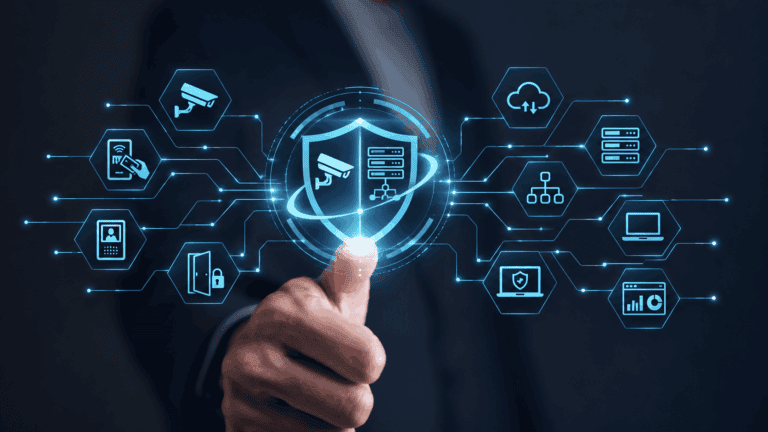
Physical security and IT have been technologically connected for years. There is no doubt about it. What is changing, however, is the need to manage these environments more closely together. As network cameras and other security devices become increasingly integrated with wider business systems, and ongoing software maintenance plays a greater role, organizations need a more coordinated approach to cybersecurity, device management, and operational continuity.
This might sound complicated, simply because it is. Many organizations still manage IT and physical security through different teams, tools, and therefore processes. This makes sense, because both have their own responsibilities. But as security environments grow and become more spread out across different locations, this separation can make day-to-day management unnecessarily complicated.
An IT team may have a central overview of the network across multiple locations, while checking the status of cameras and other physical security devices may still require separate systems or even someone on site. This can make it harder to identify issues, understand where action is needed, and resolve problems efficiently. In other words, while technology has become more connected, the way it is managed has not always evolved at the same pace.
What IT management practices bring to physical security
It’s a numbers game. Established IT teams are already used to managing large numbers of connected devices, sometimes even across different locations. The tools and processes in place monitor connectivity, check device health, manage software updates, and identify issues remotely. Applying these principles to physical security can make managing cameras and other security devices more straightforward.
By doing so, you can create a more consistent approach to maintenance and cybersecurity. Keeping firmware up to date, addressing vulnerabilities, and making sure devices continue to function are ongoing responsibilities. Especially when teams are tasked with managing hundreds or even thousands of devices.
Does this mean that IT needs to take care of physical security? No, as both teams have their own expertise and responsibilities. For example, IT may be responsible for keeping devices connected and their software up to date, while physical security teams make sure cameras provide the right coverage and support the organization’s security needs. But applying proven IT management practices to an environment that increasingly depends on the same network infrastructure isn’t a bad idea.
Where the human connection comes into play
It is not about making life easier for IT teams. For security professionals, having a better overview of connected devices can mean spending less time on manual checks and troubleshooting, which leaves more time for pressing tasks.
But the value lies in the human connection when both teams start working together. Take a camera that suddenly goes offline. While IT may be able to identify whether the issue is related to the network or the device itself, the security team understands what losing that camera actually means for securing that area.
Having access to the right information helps both teams understand the situation and resolve it. Think about the upside for organizations managing such systems across multiple locations, where identifying and fixing issues isn’t always as simple as visiting a site.
The role of cloud-based management
Perhaps the question is no longer ‘why’, but ‘how’ organizations can put this into practice. Cloud-based management offers one way forward. It allows teams to monitor connected devices, check their status, and coordinate maintenance from a central environment.
So, basically move everything to the cloud and be done with it, right? Well, not quite. Many organizations have already invested in cameras, video management systems, and other infrastructure that continues to serve them well. And why replace something that still works? A hybrid approach can allow organizations to keep supported existing systems in place, while introducing cloud-based management capabilities where they add value.
By doing so, organizations can improve how they manage their physical security environments without having to replace everything they already have.
Putting it into practice: Axis and Cisco
A practical example of this approach is the collaboration between Axis Communications and Cisco. Through Axis Cloud Connect, supported Axis devices can be monitored in the Cisco Meraki Dashboard, giving IT teams central visibility into device connectivity, health, and AXIS OS status. With the latest features, teams can even access devices directly and use supported device functions, all within a familiar management environment.
This doesn’t mean replacing existing physical security systems or handing over responsibility to IT. Instead, it shows how physical security devices can become part of established IT management workflows, making it easier for teams to keep track of connected devices and coordinate maintenance.
This is a guest post from Axis Communications. Click this link to learn more about the company’s capabilities.