
The U.S. Federal Communications Commission (FCC) is banning the import of all new routers manufactured abroad. An interagency panel’s assessment concluded that imported routers pose a serious cybersecurity risk to U.S. critical infrastructure.
Existing models remain unaffected. China controls an estimated 60% of the U.S. home router market. This makes the country the largest player in a segment that directly impacts the internet connectivity of millions of households. The measure applies to all new foreign models, except routers that the Pentagon deems secure enough.
Malicious actors have exploited security vulnerabilities in routers manufactured abroad to attack households, disrupt networks, facilitate espionage, and steal intellectual property, according to the FCC. In doing so, the regulator explicitly refers to major cyberattacks. For example, foreign routers played a role in the Volt, Flax, and Salt Typhoon attacks on U.S. infrastructure.
Congressman John Moolenaar, chairman of the House Select Committee on China, praised the decision. “Routers are essential to our connectivity, and we cannot allow Chinese technology to be at the core of that,” Moolenaar stated.
TP-Link and potential exemptions
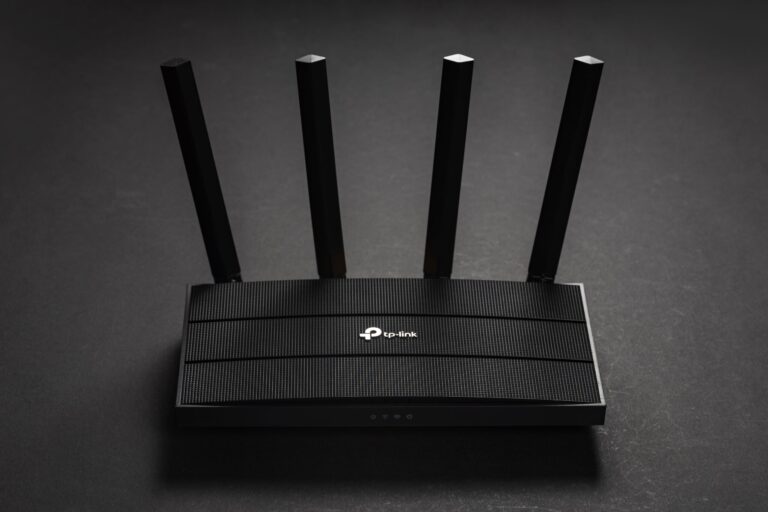
The measure also affects manufacturers such as TP-Link Systems, a California-based company that originated from a Chinese enterprise. Last month, the Texas attorney general sued the company, alleging that it fraudulently sold its networking equipment and gave Beijing access to devices belonging to U.S. consumers. TP-Link Systems said it would “vigorously defend” its reputation and emphasized that the Chinese government has no ownership or control over the company, its products, or user data.
It is noteworthy that just last month, the Trump administration had suspended a proposed ban on TP-Link routers for the domestic market. The FCC does, however, allow companies to apply for an exemption. Other major brands such as Netgear, Google Nest, Amazon Eero, and Cisco also manufacture their routers outside the U.S. Netgear’s stock rose by more than 12 percent following the announcement of the ban.
Tip: “AI chips will stay in America unless foreign countries invest in the US”