

A few months ago, Google unveiled its brand-new Pixel 10 series. Since then, we’ve been carrying the Pixel 10 Pro around with us, and, following our review of the 10 Pro XL, here you can read about our experiences with its smaller sibling.
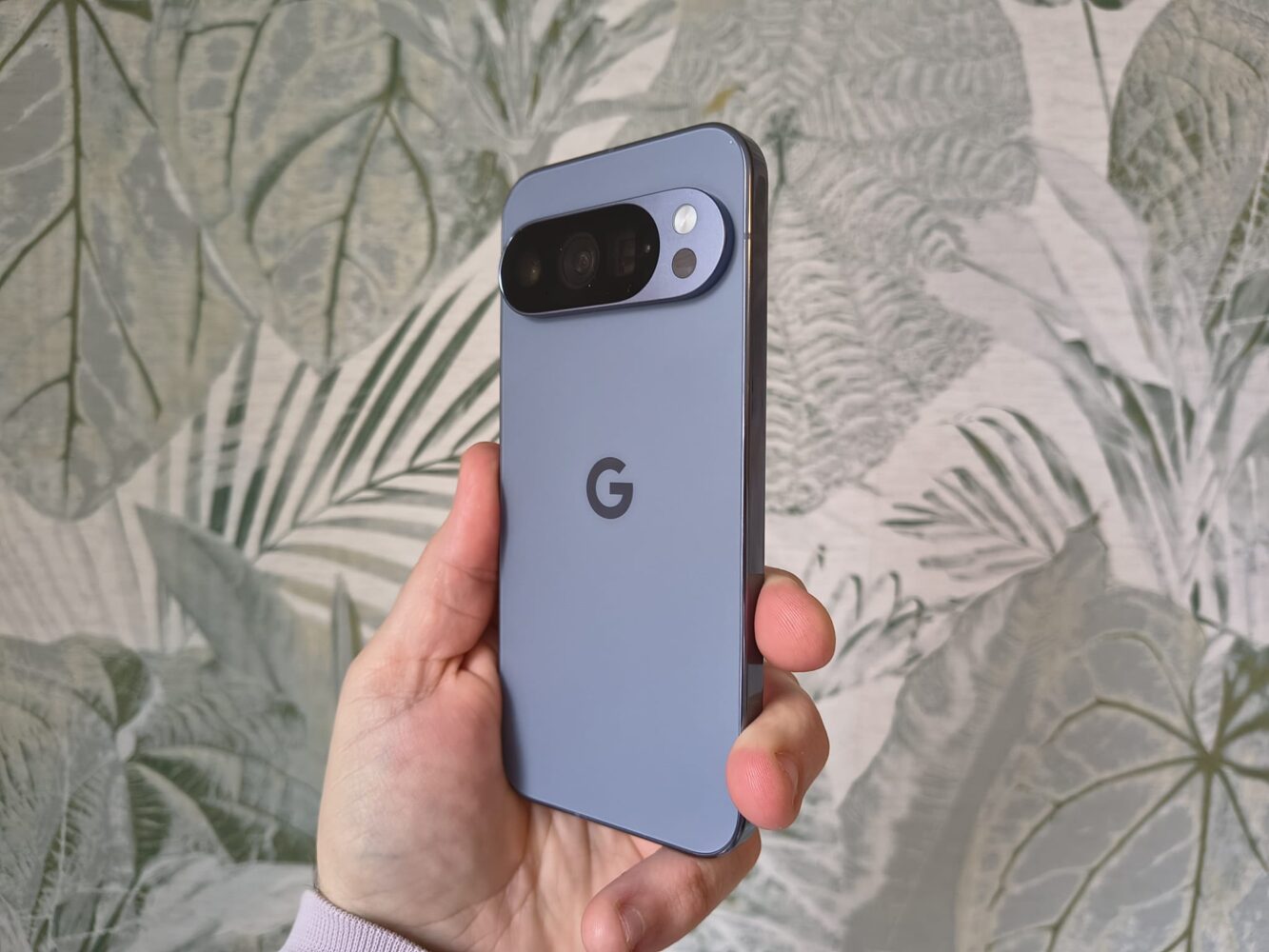
When you put the Pixel 10 Pro next to the 9 Pro, you don’t immediately see any significant differences. That’s fine by us, because the design of both devices is still beautiful in 2025. There have been minor changes to the oval camera island, including a change in the location of the SIM card slot. The new Tensor G5 chip is on board, but otherwise, the hardware differences are minimal.
These include better speakers, slightly higher display brightness, and a slightly higher-capacity battery. So, nothing to write home about for now, but what does that mean for our opinion of Google’s latest smartphone?
The display is beautiful, the Tensor chip is good enough
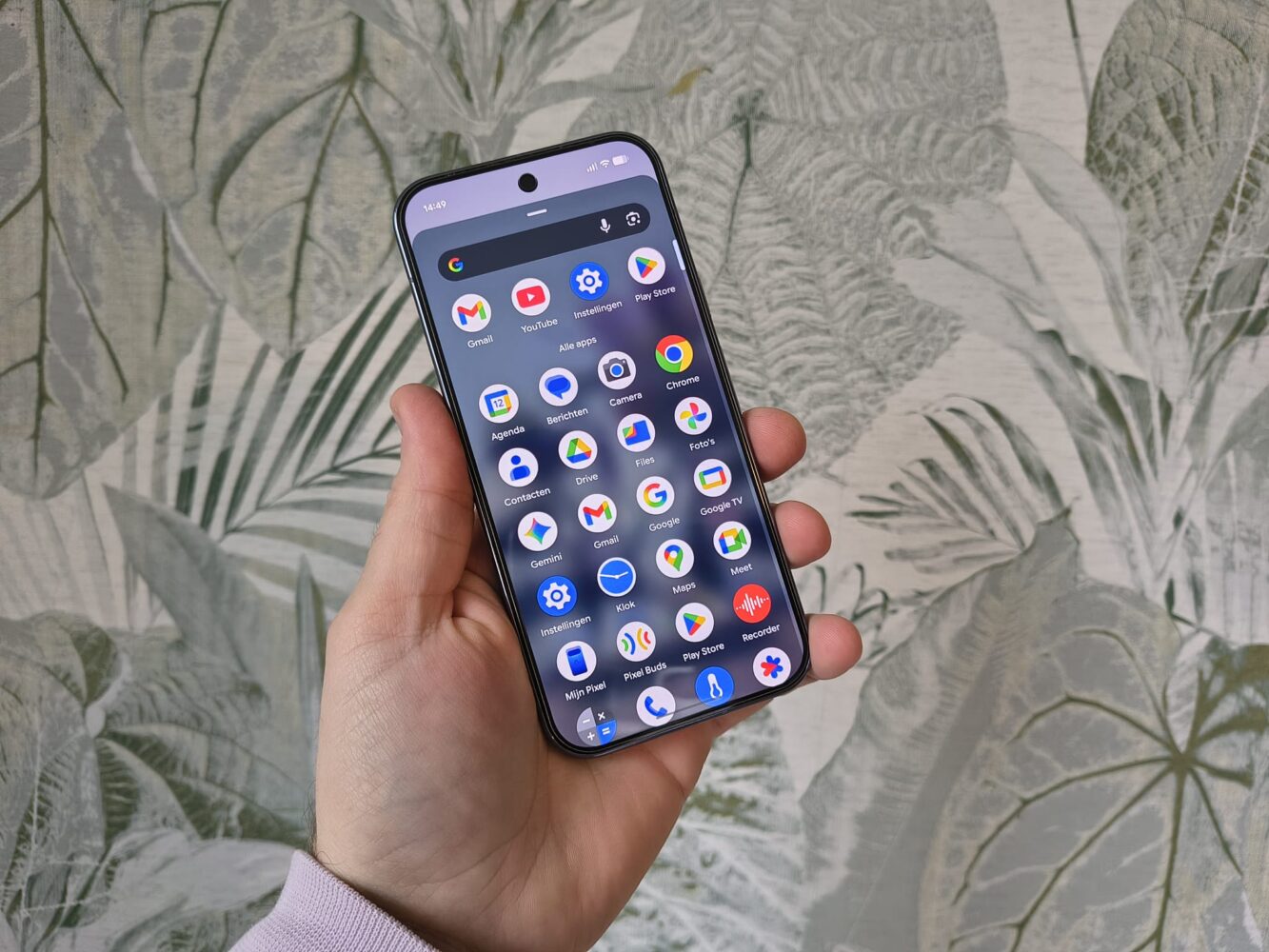
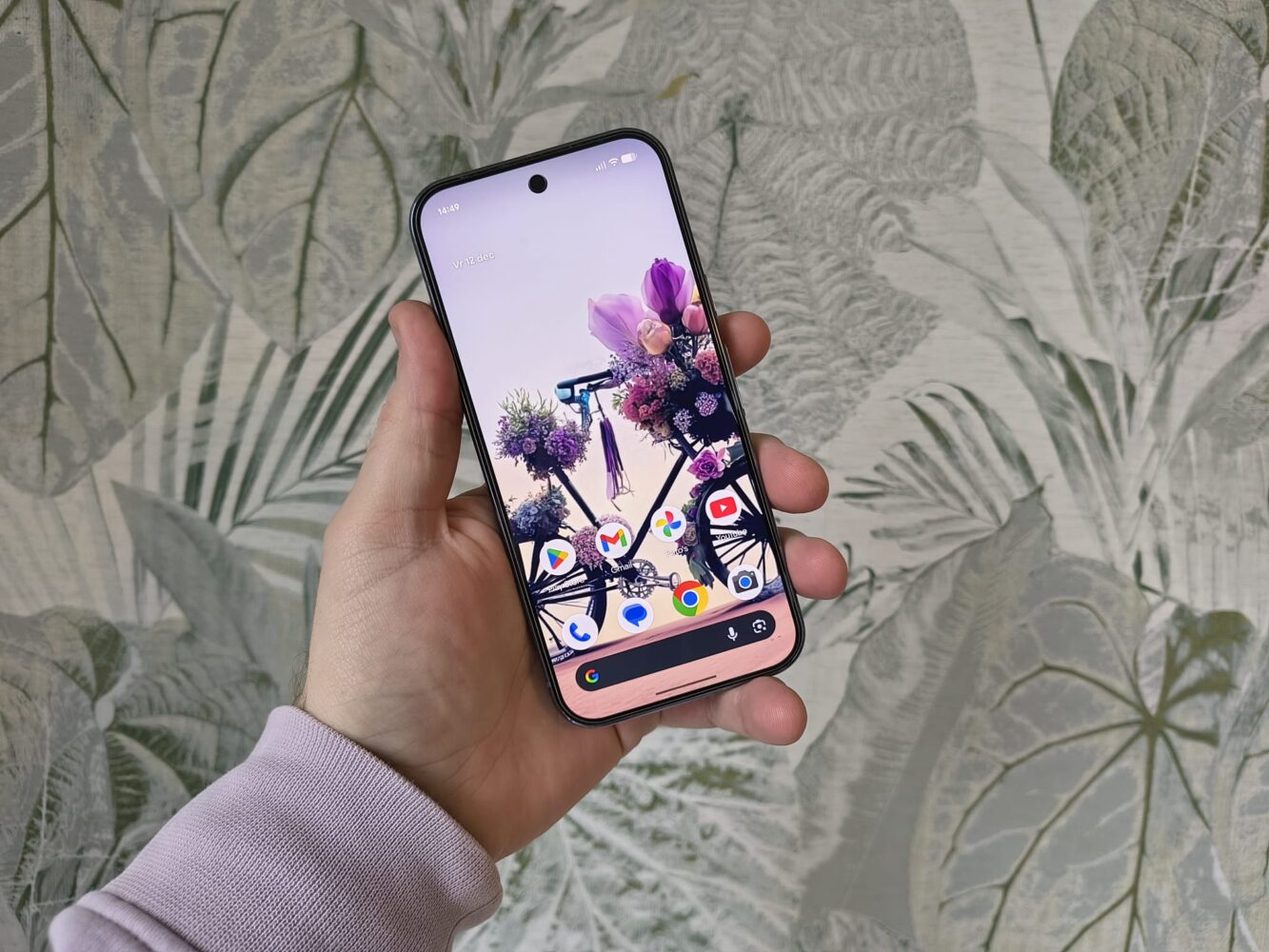
Once again, a relatively small 6.3-inch AMOLED screen has been chosen, meaning no change from the 9 Pro. The maximum brightness of 3300 nits is slightly higher, but in practice you won’t notice any difference. The screen is easy to read in all conditions, including full sunlight. The minimum brightness could be a notch lower, because it can still be too bright in bed without using a third-party app.
A resolution of 2856×1280 pixels has been chosen, and the front camera is incorporated into a single hole at the top of the screen. The screen is therefore half an inch smaller than the 10 Pro XL’s, which is the device’s most significant advantage.
The Tensor G5 chip is the beating heart of the Google 10 devices and is a great all-rounder, but certainly not the best or fastest chip on the market. We didn’t run any benchmarks, but compared to a high-end Snapdragon or MediaTek chip, the Tensor processor is noticeably inferior. In practice, however, we didn’t notice this, and multitasking, taking photos, and even playing some 3D games went fine. If you use your smartphone for the most demanding applications (usually games) and want to be able to play everything at full capacity, you’re better off looking at a high-end device from Samsung, for example.
There are models with 128GB, 256GB, or 512GB of internal storage, and all variants are equipped with 16GB of RAM. You can also choose from four colors, and our review model is the so-called “Moonstone” version.
Battery lasts a day, charging is too slow
The Google Pixel 10 Pro’s battery has a capacity of 4870 mAh, and it is striking that the standard Pixel 10, which is more affordable, has a larger 4970 mAh battery on board. This concerns the internal space in both models. The Pro version is equipped with an internal ‘vapor chamber’, which dissipates heat.
That aside, the battery easily lasts a day. In practice, we always charged the device to 80 percent and hardly ever had to recharge it during the day. Of course, this also depends on your usage, but with regular chatting via WhatsApp or Slack, taking photos, watching YouTube, or checking email, you can easily get through a day or more.
Charging is really too slow, and Google could learn a thing or two from its competitors in that regard. Wired and with the proper charger, it charges at a relatively poor maximum of 30 watts, while 100 watts is already standard among competitors. In addition, the device does not charge linearly, so it takes almost two hours to charge the battery again fully. If the smartphone is empty, plugging it in will have it half full again after half an hour. Wireless charging is possible at up to 15 watts.
There is no space for external storage, but you can use an eSIM in addition to the physical SIM card slot. The speakers deliver a full, warm sound, even at higher volumes. When compared to the Pixel 9 Pro, they do indeed sound slightly better, as Google claims, but the differences are minor. Finally, the Pixel 10 Pro is IP68 certified, making it dustproof and waterproof.
Cameras are excellent
The device is equipped with four cameras, including a 42-megapixel selfie camera. There are three more sensors on the back. The primary sensor has a resolution of 50 megapixels, and the zoom lens and wide-angle camera have to make do with a 48-megapixel sensor. Optical image stabilization is available, filming is possible in 8K resolution, and AI also plays a significant role in photography with a Pixel.
When you take a photo with any camera, you can be sure of good results. Photos look good in all conditions, details are captured well, and colors are reproduced faithfully in snapshots. With the Pixel 10 Pro, you also have a versatile camera smartphone in your hands, thanks to the various sensors on board.



In addition, photos are sometimes enhanced using artificial intelligence. Alternatively, you can use AI afterwards to make all kinds of adjustments. This includes filters, as well as removing or enlarging objects, or digitally enhancing an image by emphasizing certain elements. There is also the ‘camera coach’, which gives instructions on how best to photograph the object you have captured in your viewfinder.








Security and AI
There is an ultrasonic fingerprint scanner that works quickly and is ergonomically positioned. You can also choose to unlock your device using a pattern or PIN, and facial recognition is on board. All of the methods mentioned work well and quickly, but they are not all equally secure. We therefore recommend always using a biometric method, in this case your fingerprint.
Artificial intelligence plays a significant role in this device, including in the camera, as mentioned. However, you can also get started with Google Gemini, Google’s AI assistant. This allows you to have live conversations with the chatbot about anything you want. You can generate images and perform a Google search for anything you see on your screen with Circle to Search. There are many more AI features to use, but Google has not released all AI features in Europe, which is simply a downside.
Android 16 and long update policy
For years, the new Pixel smartphones have been shipped with the latest version of Android, and that is the case once again. Android 16 is installed, and the device will continue to receive updates for the next seven years. These include Android upgrades, security patches, and the so-called Pixel Drops, full of new features.
Pixel devices run on a version of Android without unnecessary frills, unlike almost all other manufacturers. That means it’s a fairly bare-bones version of the OS, which we consider an advantage. For example, there are no duplicate apps with the same functionality pre-installed, and there is no heavy skin over Android that changes the software’s look and feel too much.
Conclusion: not for everyone
The Google Pixel 10 Pro is a beautiful device and can be counted among the high-end devices of the moment. It’s not the most powerful smartphone currently available, but that’s not why you buy a Pixel. Compared to the 9 Pro, however, the differences are minimal, and if you have that device in your pocket, it’s definitely not worth switching. If you have an older Pixel or a device from another brand and want to discover what a ‘bare Android version’ feels like in practice, then the Pixel 10 Pro is definitely a device to consider.