
Salesforce is taking a major step by repurchasing $50 billion worth of its own shares. This decision simultaneously commits the company to decades of additional debt. The financing for this program extends through 2066, underscoring the long-term impact of the strategy.
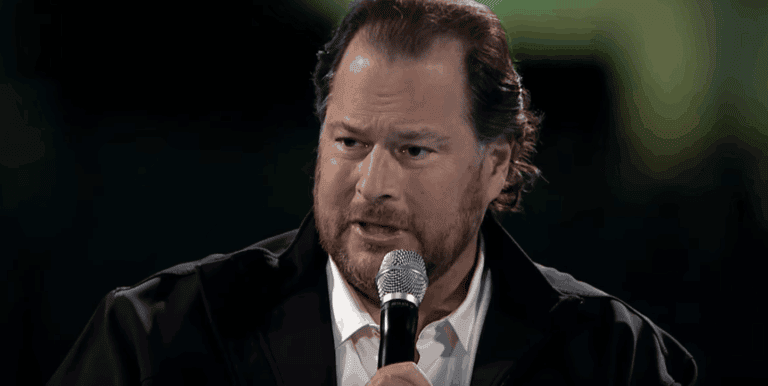
This was reported by The Register. During the earnings call in late February, CEO Marc Benioff (photo) indicated that he views current market conditions as an attractive opportunity to buy back shares. According to him, this effectively utilizes available capital, and taking on debt is a logical choice in this case. He also emphasized that he believes the stock is undervalued and that management therefore wants to repurchase as many shares as possible.
Part of the share buyback is financed with bonds maturing in 2028 and having terms of several decades. In total, approximately half of the program is funded by debt. Salesforce expects free cash flow of approximately $16 billion this year, which provides the flexibility to meet these obligations over time.
The first phase of the program has already been launched. The company has already repurchased 103 million shares through an accelerated program, accounting for the majority of the planned total. Salesforce aims to complete the remaining share repurchases by the 2027 fiscal year at the latest.
According to Benioff, the share structure has been diluted in recent years due to major acquisitions, including Slack and Tableau. The current buyback is intended to partially correct that effect and restore the value per share.
AI puts pressure on traditional software models
The timing of the announcement is notable, given that the software sector is under pressure. Investors are concerned about the impact of AI on traditional software models. New tools for automated coding and automated workflows could diminish the role of software vendors. This sentiment has led to sharp price declines among major players in the sector.
Although Salesforce’s stock has shown some recent recovery, the price remains significantly below its level at the end of 2024. The broader downturn in the sector is described by some as a new crisis for SaaS companies, a characterization that Benioff puts into perspective. He argues that the sector has gone through similar periods before and has managed to recover each time.
To finance the share buyback program, Salesforce recently issued $25 billion in bonds, with maturities ranging from a few years to several decades. In doing so, the company is establishing a clear long-term commitment.
Salesforce is not alone in this strategy. Other major players in the SaaS market are also choosing to buy back their own shares. ServiceNow announced a $5 billion program and saw its CEO personally purchase additional shares. SAP also has plans for a substantial buyback, while companies like Okta and Snowflake are taking similar steps, albeit on a smaller scale.
This trend indicates that several software companies are actually using current market pressures as an opportunity to buy back their own shares, in the expectation that valuations will recover over time.