
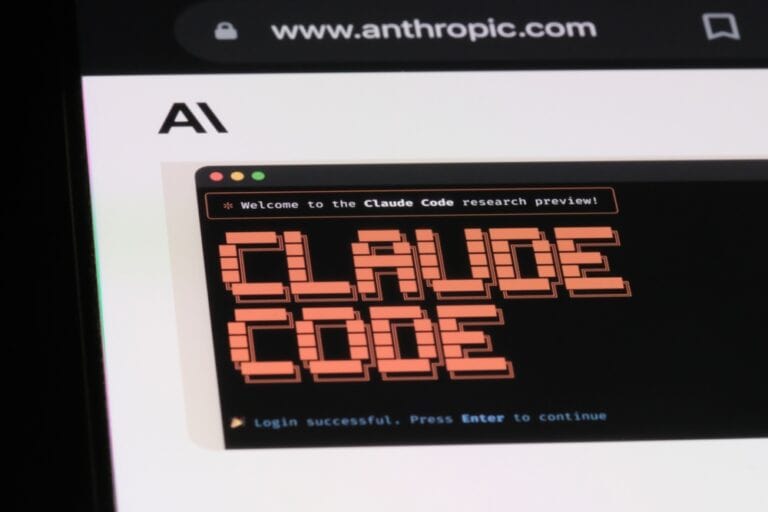
Anthropic introduces Code Review for Claude Code. This multi-agent system thoroughly analyzes every pull request (PR) for errors.
Code review has become a bottleneck for many software teams. Anthropic itself saw code output per engineer grow by 200% last year, but review capacity did not keep pace. As a result, many pull requests received only a cursory glance instead of a thorough analysis.
That is precisely the problem Code Review aims to solve. The new feature for Claude Code assigns a team of agents to every opened PR. The agents search for bugs in parallel, filter out false positives, and rank issues by severity. The result appears as a single overview comment, along with inline comments on specific bugs.
The scale of the review adapts to the size of the PR. Large or complex changes get more agents and a deeper analysis, while minor changes get a lightweight scan. On average, a review takes about twenty minutes.
Proven results at Anthropic
Anthropic has been running Code Review internally on almost every PR for months. For large PRs with more than 1,000 changed lines, the system identifies findings in 84% of cases, averaging 7.5 issues. For small PRs under fifty lines, that drops to 31%, with an average of 0.5 issues. Less than 1% of findings are judged incorrect by engineers. The percentage of PRs with substantial review comments rose from 16% to 54%.
A concrete example: a one-line change looked like a routine, but Code Review marked it as critical. The change would have broken the service’s authentication. The adjustment was corrected before the merge.
With the recent improvements to Claude Opus 4.6 for coding tasks, Anthropic is building on a series of enhancements to the Claude Code platform.
Cost and availability
Code Review is more expensive than lighter-weight alternatives such as the existing Claude Code GitHub Action, which remains open source. Reviews are billed based on token usage and cost an average of $15 to $25, depending on the size of the PR. Administrators can set monthly budget limits, restrict reviews to specific repositories, and track costs via an analytics dashboard.
The feature is available as a research preview for Team and Enterprise plans, and PR approval remains reserved for humans.