
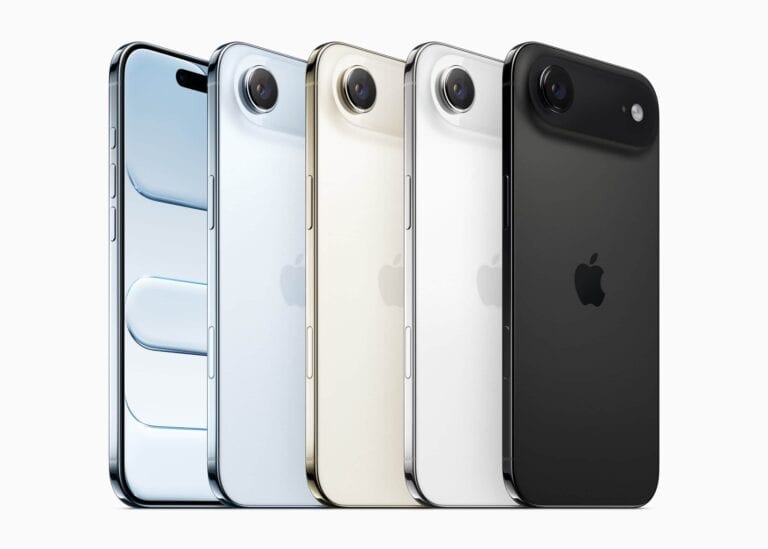
Apple is facing sharply rising costs for memory components in its premium smartphones. According to recent rumors, the company is currently paying a premium of approximately 230 percent for each 12GB LPDDR5X RAM chip used in the more expensive iPhone 17 models.
This is reported by Wccftech. The cost increase is a direct result of a continuing global shortage of DRAM, a problem that is expected to continue for several more years.
At the beginning of 2025, the price of a 12GB LPDDR5X RAM chip was still between $25 and $29. That amount has now risen to around $70 per chip. For Apple, this puts considerable pressure on the margins of its high-end smartphones, especially since the iPhone 17 Pro and Pro Max have already implemented a price increase this year. The combination of higher component costs and limited room for further price increases is forcing the company to consider alternative strategies.
Apple stockpiled DRAM
The situation is further complicated by the fact that Apple’s long-term supply agreements with memory giants Samsung and SK hynix are reportedly set to expire in early 2026. Although Apple traditionally benefits from a very strong and flexible supply chain, the company appears not to be completely immune to structural increases in DRAM prices. However, Apple is said to have purchased a significant amount of memory prior to the recent price increases, which offers some protection in the short term.
If the DRAM shortage persists, there is a good chance that the higher costs will trickle down to future product lines. The iPhone 18 series in particular is at risk of further price increases. These models are expected to use six-channel LPDDR5X memory to enable higher bandwidth and better performance for AI applications. At the same time, Apple seems to have become heavily dependent on Samsung, which now accounts for an estimated 60 to 70 percent of its supplies. With mass production scheduled to start early next year, it is essential for Apple to have clarity about its memory supply in a timely manner.
At the same time, Apple has a few levers at its disposal to offset cost increases. In recent years, the company has reduced its dependence on external suppliers by developing more and more of its own technology. For example, future iPhone models will not only be equipped with Apple’s own A series chips, but are also expected to feature Apple’s own C2 5G modem. This verticalization reduces the total chipset costs and creates room to partially offset rising prices of other components.
Manufacturers must make concessions
However, the DRAM market seems to offer little relief for the time being. Analysts expect the shortage to decrease substantially only towards the end of 2027. This means that not only Apple, but also competing manufacturers may have to make concessions in terms of specifications, margins, or consumer prices. For the smartphone market as a whole, memory is therefore likely to become a determining factor for both product positioning and profitability in the coming years.