
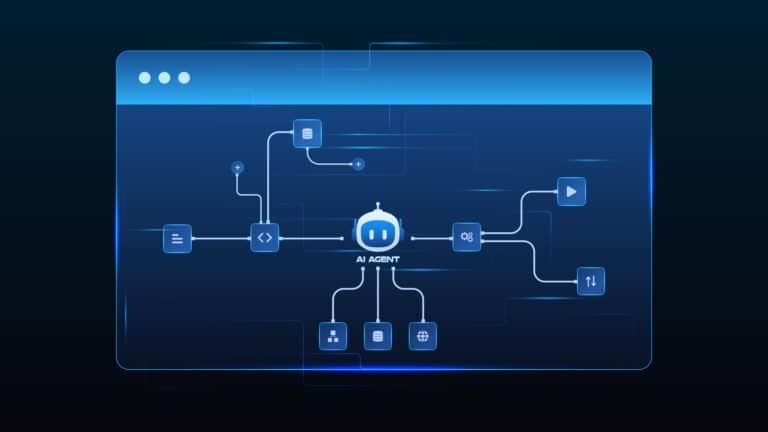
Cast AI has made Kimchi Coding generally available. The autonomous coding agent routes each task to the best-fit model, leans on open-weight models for the bulk of the work, and promises frontier-quality output at 2.5x lower cost. Budget governance and data sovereignty come built in.
Kimchi Coding is now available at kimchi.dev with full production support for developer teams and enterprises. It starts from one idea. The future of AI coding is an orchestration layer that sends each task to the right model at the right cost, instead of routing to a single LLM. Enterprises are already working this way, reserving the most capable models for the hardest tasks and letting open-weight models handle everything else. However, the process can be both arduous and full of untapped potential, especially when failing to account for model routing’s many pitfalls.
“We built Kimchi to give every developer frontier-quality AI coding without frontier-sized bills or data risk,” said Laurent Gil, President and Co-Founder of Cast AI. It’s essentially the same thought process behind the company’s AI Optimizer for LLMs which it introduced back in 2024, but now more suitable for coding agents as they exist in the present.
How the routing works
At Kimchi Coding’s core sits an autonomous multi-model harness built for token optimization. The orchestration engine picks the best model per task based on complexity and cost. Feedback loops then score the generated code and cut token waste at each step. Most work goes to open-weight models, with self-hosted inference running on GPU infrastructure that Cast AI tunes down to the node.
In shadow-mode tests against a commercial-models-only baseline, Cast AI says Kimchi is 2.5x cheaper while matching or beating quality on spec-match and test-pass rates.
Governance and data sovereignty
Budget governance ships inside the product, Cast AI suggests. Hard spend caps apply from individual API keys up to entire organizations, and runaway agentic loops terminate automatically. A real-time FinOps dashboard attributes cost per developer, team and project.
Kimchi is ISO 27001 and SOC 2 Type II certified, with GDPR compliance and data sovereignty built in. It runs standalone inside a customer’s own VPC, or on dedicated Nvidia B300 GPUs on Cast AI’s inference infrastructure. Akamai is among the enterprises now using the agent at scale.