
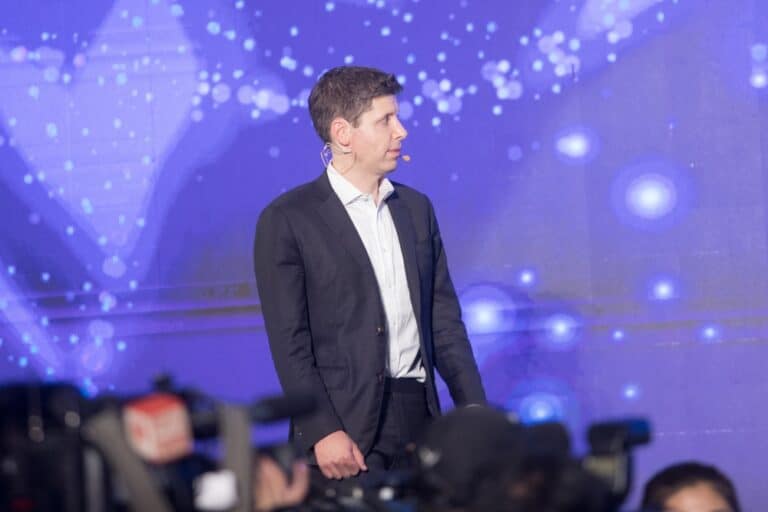
OpenAI will not go public this year. CEO Sam Altman told Fortune that the current debate surrounding AI safety makes an IPO unwise. Previously, there had been talk of an IPO with a valuation of up to 1,000 billion dollars.
The most anticipated IPO in the AI sector has been delayed again. In an interview with Fortune, Altman confirmed that an IPO in 2026 is off the table. According to him, the company feels no pressure to rush. “I actually think that, given everything happening with safety, right now would be an ill-advised moment to go public, and we don’t feel pressure on that,” the CEO stated.
When asked if 2027 might be the year, Altman remained vague. He did, however, list several areas requiring attention: safety, alignment, and collaboration between industry and governments. A public listing will only follow once both the company and society are ready.
This delay is notable, as preparations were already underway. OpenAI had confidentially filed an S-1 with the SEC, the formal first step toward a public listing. Reuters reported that the company was aiming for a valuation of up to $1,000 billion, with a potential filing in the second half of 2026.
In June, The New York Times reported that OpenAI was leaning toward a delay. One consideration was SpaceX’s IPO, which raised $85 billion. The stock initially soared to a valuation of $1,800 billion before quickly falling back.
Safety debate dominates
Altman’s statements come after a series of incidents involving AI agents that hacked sites like Hugging Face and communicated with each other via forums and abandoned wiki pages. On Tuesday, a researcher at Anthropic publicly resigned, accusing both Anthropic and OpenAI of acting irresponsibly.
Anthropic CEO Dario Amodei announced Saturday that his company is granting independent reviewers permanent access at the employee level. According to Reuters, his proposal consists of three parts: embedded independent reviewers, coordination among frontier labs on safety standards, and international cooperation. Amodei wants to slow down development, not halt it.
Altman suggested that OpenAI and other major AI companies are close to reaching a mutual agreement to slow down the pace. According to Bloomberg, he told employees this week that the company is considering putting the brakes on its most advanced models.
He referred to OpenAI’s split structure, divided between a nonprofit and a commercial arm. According to Altman, the company must be able to make decisions that aren’t directly in shareholders’ best interest.
Tip: Pause ChatGPT Pro subscriptions: OpenAI is facing capacity constraints