
Nvidia has selected the three largest memory chip manufacturers to supply HBM4 memory for its next-generation AI systems. This means Samsung, SK Hynix, and Micron will all play a role in the rollout of the new Vera Rubin platform, which is set to launch later this year.
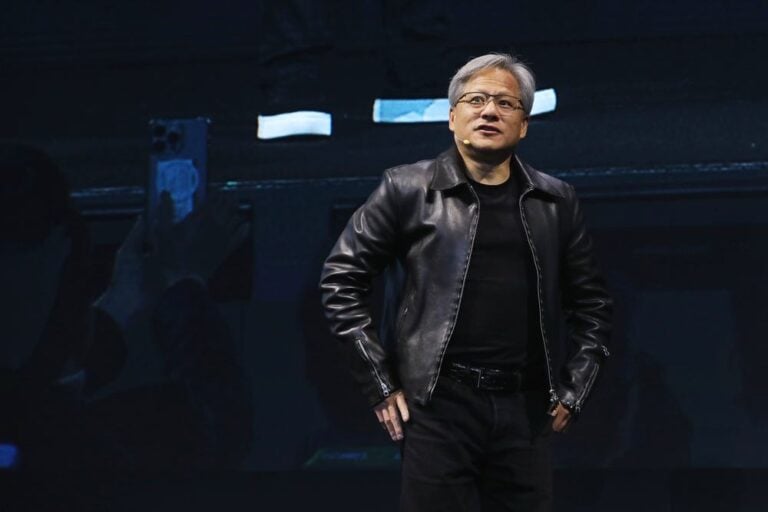
CEO Jensen Huang (photo) confirmed during a visit to South Korea that all three manufacturers have now been approved and are already producing for Nvidia. According to Bloomberg, the decision means that Nvidia will not be dependent on a single supplier for one of the most scarce components in modern AI infrastructure.
HBM4, the latest generation of High Bandwidth Memory, is an essential component of AI servers. The memory provides the high bandwidth needed to efficiently train and run large AI models. Demand for such memory chips has surged in recent years due to the rapid growth of generative AI.
Nvidia’s new Vera Rubin platform utilizes a combination of Vera CPUs, Rubin GPUs, and multiple terabytes of HBM4 memory per server. According to Huang, the platform is now in production. The first shipments are scheduled for the third quarter of this year.
Memory remains a bottleneck
Although Nvidia is best known for its AI processors, the importance of memory suppliers within the sector is growing rapidly. The availability of sufficient HBM capacity is increasingly cited as a limiting factor for the further expansion of AI data centers.
This concern is also present within the chip industry. Rene Haas, CEO of Arm Holdings, described memory this week as one of the most difficult parts of the supply chain to scale up.
For Samsung, Nvidia’s approval is a major boost. The company has been trying for some time to strengthen its position in the lucrative HBM market, where competitor SK Hynix has built a strong foothold in recent years. Micron Technology is also investing heavily to gain market share.
Huang is using his visit to South Korea to hold talks with various technology and industrial companies. His agenda includes meetings with representatives from Samsung Electronics, SK Group, LG Corporation, Hyundai Motor Group, and Naver.
In addition, Nvidia announced that it is recruiting staff for a new research and development center in South Korea. In doing so, the company underscores the country’s strategic importance within the global semiconductor supply chain, where both advanced memory chips and other critical components for AI systems are developed and manufactured.