
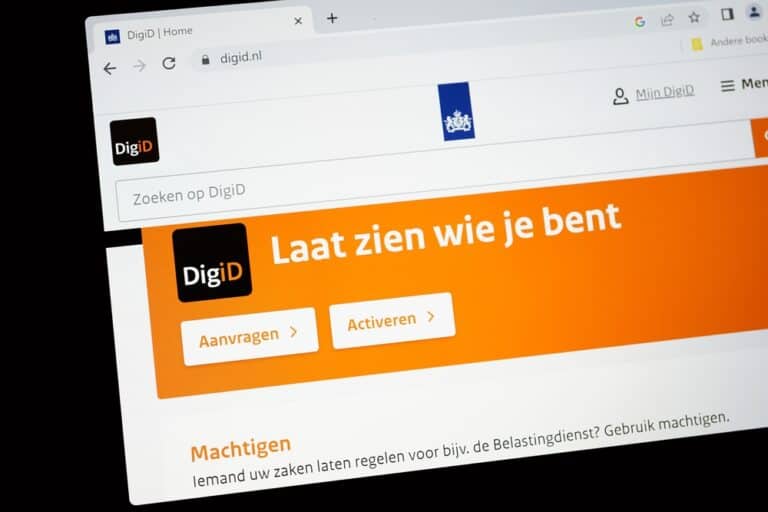
Kyndryl is no longer counting on the acquisition of DigiD host Solvinity. In its quarterly report, the U.S. company describes the deal as a thing of the past. Meanwhile, Solvinity’s shareholders continue to challenge the Dutch ban in court. The first hearing took place yesterday at the ministry.
This is according to NRC. The U.S.-based Kyndryl has accepted the Dutch government’s decision. In documents filed with the U.S. Securities and Exchange Commission, the company explicitly refers to the acquisition of Solvinity in the past tense: a plan that will not be realized due to a ban imposed by the Dutch authorities. According to Kyndryl, the process did not result in any significant costs.
A Kyndryl spokesperson in the Netherlands confirmed to NRC that the company is not challenging the ban. Kyndryl’s Dutch director has since taken early retirement.
From announcement to ban
The deal was announced in November 2025, when Kyndryl sought to acquire the Dutch cloud service provider. Political unrest arose quickly, as Solvinity manages the infrastructure behind DigiD and MijnOverheid and facilitates much of the communication within the justice system. Kyndryl could not allay the concerns of the House of Representatives.
On May 25, the cabinet banned the acquisition “to protect the public interest,” according to State Secretary Willemijn Aerdts (Digital Economy and Sovereignty, D66). According to the cabinet , nothing about DigiD will change for citizens.
Hearing without all parties
Solvinity filed an objection. As a result, the state secretary must reconsider the matter and issue a new decision by the end of September. Yesterday marked the first hearing, attended by representatives of shareholders, Kyndryl, and the foundations Privacy First and Firewall. The Human Rights in Finance Foundation was denied participation because, according to the ministry, it is not a stakeholder.
The ministry remains silent on the substance of the matter: according to a spokesperson, information about the investment review touches on national security and sensitive business information. The acquisition could still proceed without posing unacceptable risks to data access and privacy.