
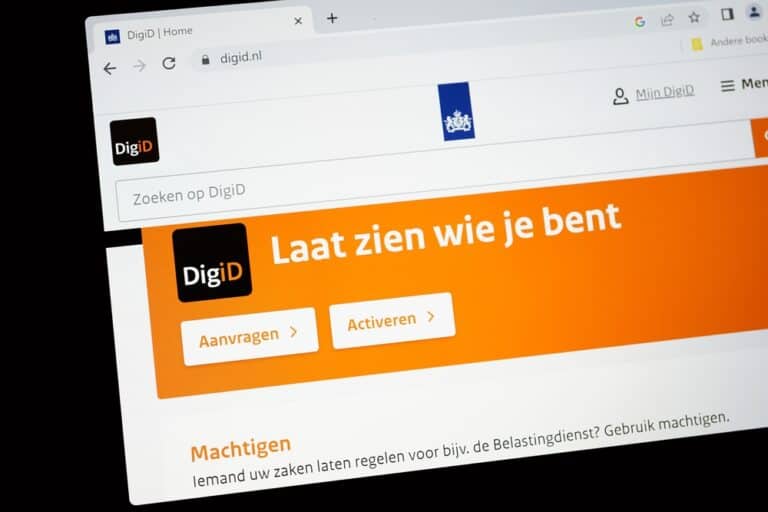
Solvinity, the company that manages the Dutch civil identity system DigiD, is taking the matter to court. It hopes to challenge the blocking of a takeover by Kyndryl. This ban was imposed by State Secretary Aerdts last month. The company takes the government’s concerns seriously but wants clarity on the legal and factual basis of the decision before taking further steps.
A spokesperson for State Secretary Aerdts of Digital Economy and Sovereignty confirmed that the ban is being challenged following a report by the Dutch newspaper NRC. The request is now before the court, so the Ministry of Economic Affairs will not comment further on the substance of the matter.
The ban was announced in late May. Aerdts based her decision on a negative recommendation from the Investment Screening Bureau (BTI), the regulator that assesses investments, mergers, and acquisitions for national security risks. “It is a decision I did not take lightly, because intervening in the market is a drastic measure,” said Aerdts. The State Secretary stated that the risks could not be eliminated and that the public interest could not be guaranteed. We previously wrote extensively about the ban and the reasons behind it.
National Security as the Basis
The local competition watchdog ACM had already approved the deal early in the year. However, the sensitivity of the takeover does not revolve around the competitive position but rather the role that Solvinity plays. The company, originally Dutch but now under British ownership, provides the infrastructure for critical governmental identity systems DigiD and MijnOverheid. These are used to manage taxes, communicate about allowances, and associated civil matters. Following an acquisition by Kyndryl, U.S. legislation such as the CLOUD Act could become applicable, allowing Washington to demand access to DigiD data or influence the service in certain cases. A majority in the Dutch House of Representatives opposed the deal.
Following the ban, Kyndryl stated it was “extremely disappointed” and described the process as politicized, claiming it had overshadowed the benefits of the transaction for customers and Dutch citizens. The acquisition would have amounted to at least 100 million euros.
Rotterdam District Court as the next step
Solvinity says it takes the government’s concerns seriously but needs clarity on the factual and legal basis in order to take well-considered next steps. Legally speaking, an appeal can be filed with the Rotterdam District Court, followed by an appeal to the Trade and Industry Appeals Tribunal, according to Dutch legal site ICTRecht. It is not yet known whether Kyndryl itself will take legal action.