
Microsoft internally expected a return of approximately $92 billion on its early investments in OpenAI. That detail emerged during the lawsuit Elon Musk is pursuing against OpenAI and Microsoft in a federal court in California. Bloomberg reports that the expectation was included in internal planning documents from 2023.
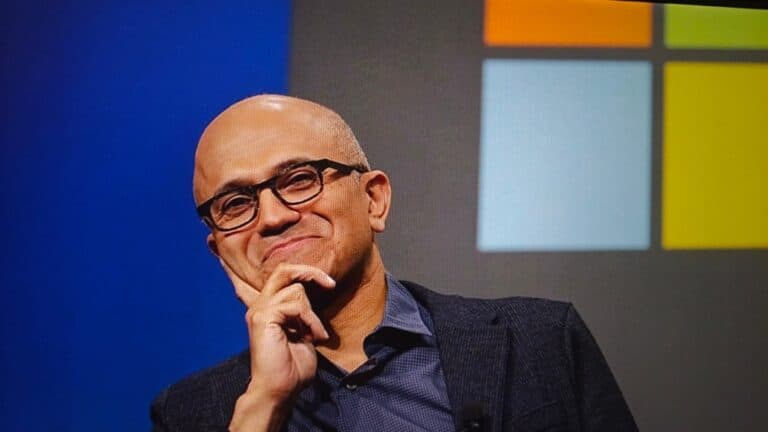
The documents were discussed during testimony by Microsoft CEO Satya Nadella (photo). According to him, Microsoft took a significant risk by investing heavily in OpenAI early on, at a time when it was still uncertain how quickly generative AI would achieve commercial success. Microsoft ultimately invested approximately $13 billion in the AI company behind ChatGPT.
Since then, OpenAI’s value has risen sharply. Bloomberg reports that the company was valued at approximately $852 billion at the end of March. As a result, Microsoft’s stake is now worth significantly more than the original investment amount.
Conflict over Microsoft’s influence on OpenAI escalates further
The revelation came to light during the lawsuit that Elon Musk filed against OpenAI, co-founders Sam Altman and Greg Brockman, and Microsoft. Musk claims that OpenAI has abandoned its original mission. According to him, the company was intended to be a nonprofit organization that would develop AI technology openly and in the interest of society. Instead, Musk claims, OpenAI has evolved into a commercial AI company that has become heavily dependent on Microsoft.
Microsoft and OpenAI reject these accusations. According to both companies, Musk’s claims are baseless, and competition with his own AI company, xAI, plays a significant role in the conflict.
The lawsuit also exposes just how complex the relationship between Microsoft and OpenAI has become. While Microsoft was initially primarily an investor and infrastructure partner, both companies now also compete in segments of the AI market.
Previous reports had already revealed that Microsoft acquired a 27 percent stake in OpenAI last year as part of a corporate restructuring. This further expanded the collaboration into one of the most influential partnerships in the current AI sector.