
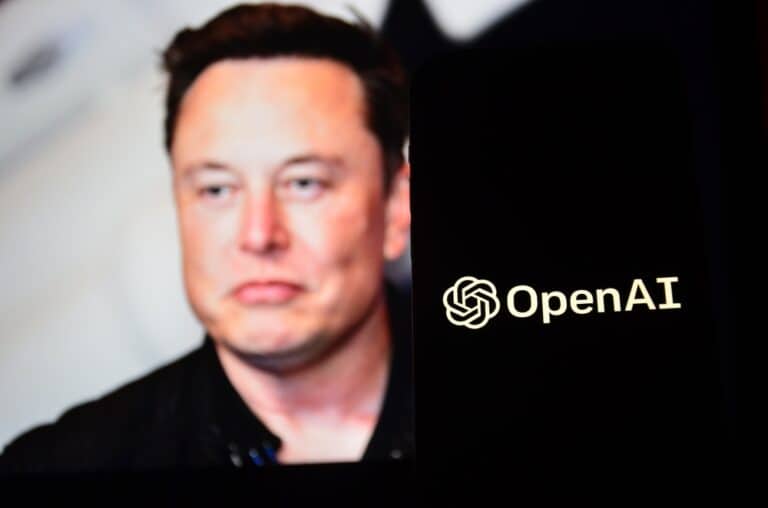
On Monday, a U.S. jury unanimously ruled that Elon Musk’s lawsuit against OpenAI was filed too late. OpenAI, CEO Sam Altman, and President Greg Brockman were not held liable. The verdict removes a legal obstacle to OpenAI’s initial public offering.
Musk accused OpenAI of deception. He invested $38 million in the organization on the assumption that it would remain a nonprofit dedicated to developing AI for the benefit of humanity. OpenAI established a commercial division in 2019 and subsequently raised tens of billions from investors, including Microsoft. In the lawsuit, which lasted three weeks, Musk also demanded $150 billion in damages and the resignation of both Altman and Brockman.
Statute of limitations as a stumbling block
The crux of the verdict revolves around the statute of limitations. OpenAI’s lawyers argued that Musk had three years to file a complaint, but filed his lawsuit in August 2024—too late, years after the commercial structure had already been made public. Judge Yvonne Gonzalez Rogers confirmed after the verdict that there was sufficient evidence to support the jury’s finding and that Musk will face an uphill battle on appeal because the statute of limitations is a matter of fact.
Musk immediately announced he would appeal and reiterated on X his accusation that Altman and Brockman had looted a charity. Earlier in the trial, Musk’s partner Shivon Zilis testified that Musk had proposed at the time to make OpenAI a subsidiary of Tesla. Altman, Brockman, and co-founder Ilya Sutskever rejected that proposal.
OpenAI attorney Bill Savitt later called the complaint “after-the-fact contrivance that bears no relationship to reality” and a “hypocritical attempt to sabotage a competitor.” Microsoft, which invested more than $100 billion in its partnership with OpenAI, also responded positively. “The facts and the timeline in this case have long been clear and we welcome the jury’s decision to dismiss these claims as untimely,” said a Microsoft spokesperson.
IPO Approaches After Legal Clearance
The verdict strengthens OpenAI’s position as it moves toward an IPO. Investors value the company at approximately $1 trillion. For months, the lawsuit was seen as a defining moment for OpenAI’s future, both in terms of governance and who benefits from AI development.
CEO Sam Altman previously defended OpenAI’s commercial strategy in court, emphasizing that a profitable structure is necessary to fund the AI mission. Nevertheless, his reputation took a hit during the trial. Several witnesses questioned his credibility, and Altman himself did not give an unequivocal “yes” when asked if he was completely trustworthy. Musk said he would file an appeal.